ကျွန်တော် ခု ပြောတဲ့ Linked Ship-Shore ESD က Gas Tanker တွေမှာ ပါတဲ့ Ship-Shore-Linked SSL Emergency Shut Down System (SSL ESD) ပါ။ ဒီဟာကို Gas ဖက်ကို အရင်ကတည်းက ရောက်နေတဲ့ ဘော်ဒါ ပြောပြဖူးလို့ သိထားခဲ့ပါတယ်။ Oil/Chemical တွေမှာ ကျွန်တော် မတွေ့မိခဲ့ပါဘူး။ တချို့ Terminal မှာပဲ Emergency Stop အတွက် Extension Pendent လာပေးတာ ကြုံဖူးခဲ့ပါတယ်။
ESD က Cargo Operation ကို အရေးပေါ် ရပ်တန့်ဖို့ လိုအပ်လာတဲ့အခါ တခြား ထပ်ဆင့် မတော်မဆမှု တွေ ထပ်မဖြစ်လာစေဘဲ Operation ကို ထိန်းထိန်းသိမ်းသိမ်း နဲ့ ချက်ချင်း ရပ်တန့် ပြီး Safe Static Condition ပြန်ရောက် အောင် စီမံထားတဲ့ စနစ်ပါ။ အဲ့လို ရပ်တန့်ရာမှာ သင်္ဘောက ဖြစ်ဖြစ် ၊ shore က ဖြစ်ဖြစ် Emergency Stop signal ကို activate လုပ်နိုင်ပြီး ကိုယ့်ဖက်က Operation သာမက တခြားတဖက်ကိုပါ Emergency Stop Signal ရ အောင် စီမံထားပါတယ်။ အဲဒီတော့ အရေးပေါ် အခြေအနေမှာ သင်္ဘောဖက်ကဖြစ်ဖြစ်၊ Terminal ဖက်က ဖြစ်ဖြစ် ကြန့်ကြာမှု မရှိဘဲ နှစ်ဖက်စလုံးက operation ကို ရပ်နိုင်ပါတယ်။
ဒီ ESD တွေက IGC code requirement အရ Gas Tanker တွေမှာ တပ်ဆင်ရပါတယ်။ SIGTTO (Society of International Gas Tanker and Terminal Operators) က ထပ်ဆင့် လိုအပ်တဲ့ Arrangement တွေ Requirements , Ship-Shore-Link တွေကို အကြံပြု ထားပါတယ်။
ESD ကို activate ဖြစ်ဖို့ Manual Trip Point နဲ့ Automatic Trip Point ဆိုပြီး နှစ်မျိုးခွဲလို့ရပါတယ်။ Manual Trip Point က လူကိုယ်တိုင် activate လုပ်တာ ဖြစ်ပြီး Automatic Trip Point မှာ
– Blackout/power failure of the ship
– Fusible plugs
– Cargo Tank Very High Level Alarm
– Tank Low Pressure
– Hold/Cargo tank differential Pressure
– Low cargo valves hydraulic pressure
– Low control air pressure
– Fire extinguisher system released စတာ တွေပါဝင်ပါတယ်။
အဲ့လို ESD အသက်ဝင်တဲ့အခါ ESD နဲ့ ချိတ်ဆက်ထားပြီး Open Condition မှာရှိနေတဲ့ Valves တွေပိတ်၊ cargo pump တွေ Compressor တွေ Inert Gas Generator တွေရပ်ပါမယ်။Shore က သက်ဆိုင်ရာ cargo operation machinery တွေ Valves တွေရပ်ပါမယ်။ အဲ့လို Valve တွေ ပိတ်ရာမှာ Pressure ဆောင့်တက်တာ မဖြစ်ရအောင် သင်္ဘောက ESD vlaves တွေကို 25-30 sec Traveling Time ထားဖို့ SIGTTO က အကြံပေးထားပါတယ်။ Terminal ဖက်က valve တွေက loading. ဆိုရင် 10-15 sec , discharging ဆိုရင် 30-60 sec ထားခိုင်းထားပါတယ်။
SIGTTO က ဒီနေရာမှာ ESD1 နဲ့ ESD2 ဆိုပြီး အဆင့်နှစ်ဆင့် recommend ပေးထားတာ တွေ့ရပါတယ်။
ESD1 က Cargo operationရပ်တန့်ဖို့ Valve တွေ၊ Pumps တွေ ရပ်တာ ဖြစ်ပြီး ESD2 က ဒုတိယအဆင့်အ နေနဲ့ Emergency Release System (ERS) ကို အသက်ဝင် စေပြီး Terminal ရဲ့ Transfer Arm ကို ဖြုတ်ပစ်တာပါ။
Emergency Stop Signal ကို တစ်ဖက်နဲ့ တစ်ဖက် အပြန်အလှန်ပို့ဖို့ Ship-Shore Link မှာ Electric, Fiber Optic, Radio Telemetry နဲ့ Pneumatic စတဲ့ link တွေကို သုံးကြပါတယ်။ Pneumaticက တခြား option တွေနဲ့ ယှဉ်ရင် ထိန်းသိမ်းရပိုများတာ၊ temperature , moisture စတာတွ ကြောင့် error ဖြစ်တတ်တာရယ်ကြောင့် အသုံးနည်းတယ်လို့ သိရပါတယ်။ Radio Telemetry ကလည်း Radio Frequency သတ်မှတ်ချက် တွေ တစ်နိုင်ငံနဲ့ တစ်နိုင်ငံမတူနိုင်တာ၊ စံသတ်မှတ်ချက်ထားဖို့ ခက်ခဲတတာ၊ Radio Interference တွေရှိနိုင်တာရယ်ကြောင့် အသုံးနည်းတယ်လို့ဆိုပါတယ်။
ဒီနေရာမှာ ဘယ်လို Link မျိုး သုံးရမယ်၊ ဘယ်လို Connection မျိုး သုံးရမယ်လို့ ခုချိန်ထိ တိတိပပ သတ်မှတ်ချက် မရှိထားသေးတာ သတိပြုရပါ့မယ်။ The North P&I Club/NorthStandard က တိတိကျကျ သတ်မှတ်ချက် (standard) မရှိတာဟာ ခုလက်ရှိ Liquefied Gas Carrier ESD system ရဲ့ အကြီးဆုံးအားနည်းချက် ယိုပေါက်လို့ ဆိုထားပါတယ်။
OCIMF & CDI က Incident အချို့ကို သုံးသပ်ပြီး oil and chemical tanker တွေမှာပါ ESD link system ကိုတပ်ဆင်သင့် ကြောင်း အဆိုပြုထားပါတယ်။ သူတို့က တော့ 5 pin Twist Connector ကို သုံးဖို့ အကြုံပြုထားပါတယ်။
SIGTTO က ESD Link အတွက် Fire Optic 6 Pin, Electric 37 Pin, Electric 6 Pin နဲ့ Electric 5 Pin connectors တွေကို သုံးဖို့ ညွှန်းဆို အကြံပြုထားတာ တွေ့ပါတယ်။ Fiber Optic နဲ့ Electric 37 Pin က Emergency Stop Signal အပြင် ship-shore communication အတွက် Hot Line Telephone, Ethernet link စတာ တွေ ပါတယ်လို့ သိရပါတယ်။ အဲ့နှစ်မျိုးက LNG vessel တွေမှာပဲ ရှိတတ်ပြီး LPG vessel တွေမှာ တော့ Electric 5 Pin နဲ့ Electric 6 Pin ကို အသုံးပြုများကြပါတယ်။
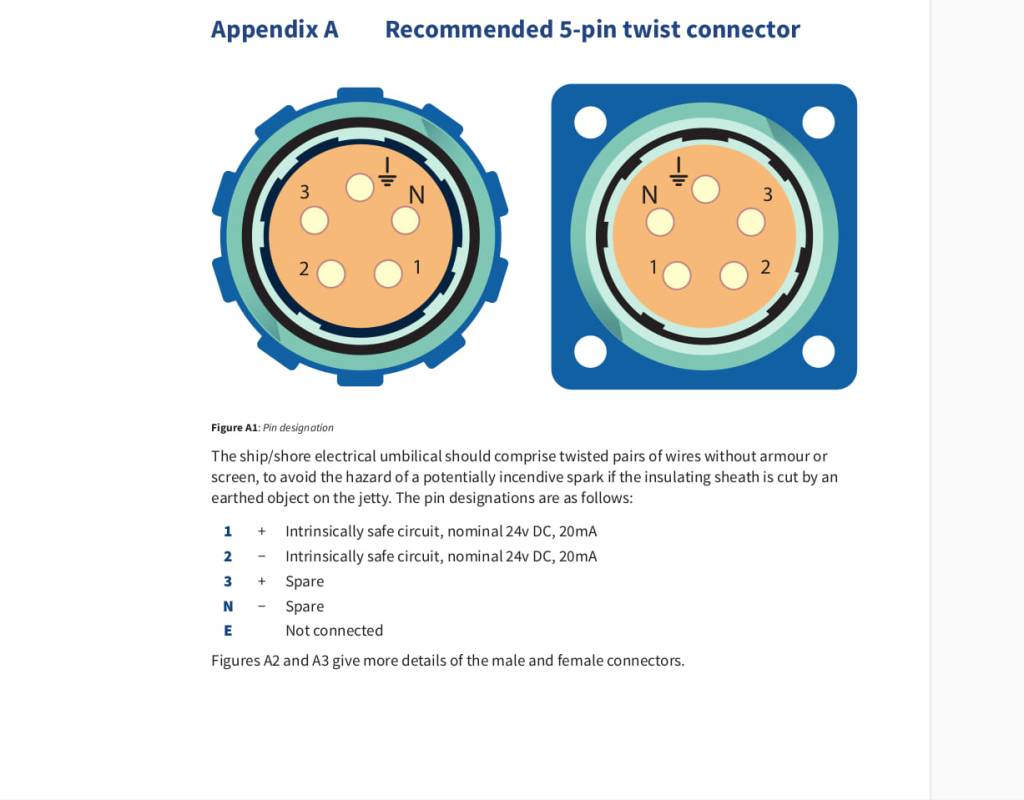
ခု ကျွန်တော် စီးနေတဲ့ သင်္ဘောမှာတော့ Electric 6 pin ကို သုံးထားပါတယ်။ ESD socket plug က အရစ်ပြုန်းပြီး ချောင် နေတဲ့ အတွက် အသစ်မှာ ဖို့ ရှာတဲ့အခါ Pin အရေအတွက် အတူတူ ရှိတဲ့ Plug တွေမှာ တောင် Pin size က မတူတတ်တာ တွေ့ရပါတယ်။
_______________________
ခု ကျွန်တော့် သင်္ဘောက ESD system ကို ETO တစ်ယောက် အမြင်နဲ့ ချဉ်းကပ်ကြည့်ပါမယ်။ ကျွန်တော့် သင်္ဘောက ခုနက ဆိုခဲ့သလို Ship-Shore ESD Link အတွက် Electric 6 Pin Connection ကို အသုံးပြုထားပါတယ်။ Ship-Shore Link အမျိုးအစားက MTL 901ပါ။ Electrical Control and automation ပိုင်းက ထူးထူးခြားခြား သိပ်မရှိပါဘူး။
Cargo Control System ရဲ့ ပင်မ Main PLC ကို MTL 901 ship-shore Link ESD Controller က ချိတ်ဆက်ထားပါတယ်။ သင်္ဘောရဲ့ cargo manifold, cargo compressor room, CCR, Bridge အစရှိတဲ့ နေရာအသီးသီးက Emergency Stop Push Button တွေကလည်း PLC ထဲ ဝင်ပါတယ်။ Blackout signal, Fire Signal အစရှိတာတွေကလည်း PLC ထဲဝင်ပါတယ်။
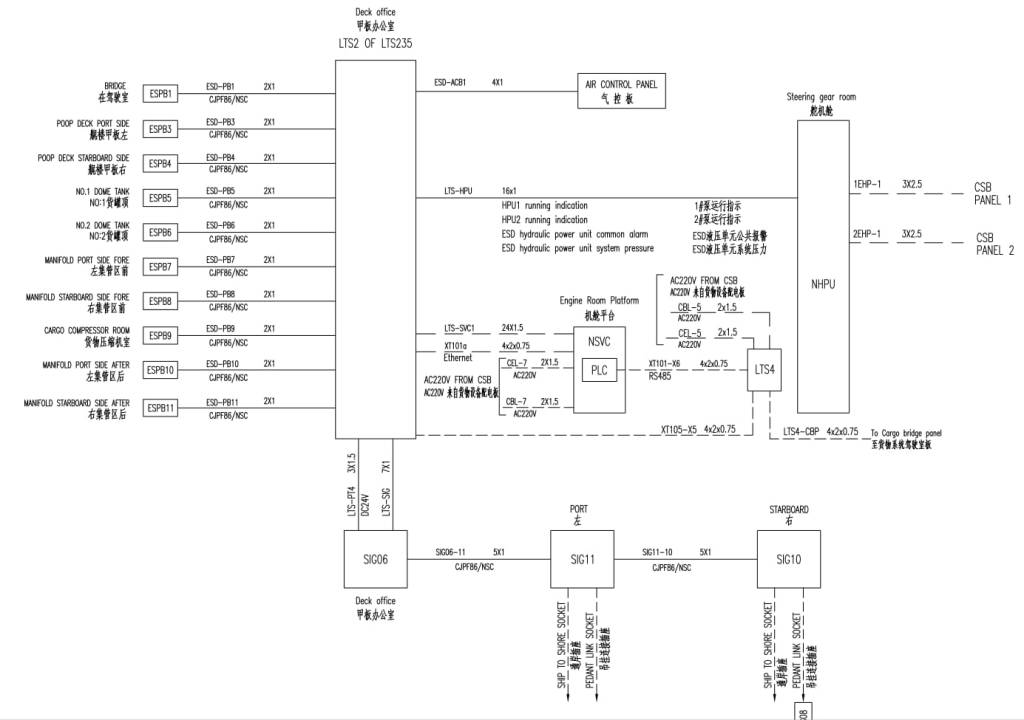
LTS2 က Cargo Monitoring System ရဲ့ Cabinet ဖြစ်ပြီး Emergency stops တွေ Valve remote control system တွေနဲ့ ESD Link ကို ချိတ်ထားပါတယ်။
နောက်ထပ်တစ်ခုက Fusible plug ပါ။ Pneumatic line ထဲမှာ Air Pressure 7 bar ရှိပြီး ထိပ်မှာ Fusible Plug တပ်ထားတာပါ။ Fusible plug က Cargo Compressor အခန်း၊ Tank Dome နဲ့ Manifold တွေမှာ ရှိပါတယ်။ အပူချိန် 98 ကနေ 104 C ကို ရောက်တဲ့အခါ Fusible plug ပွင့်ထွက်ပြီး Pipe ထဲ Air Pressure ကျသွားပါ့မယ်။ အဲ့အချိန် Pressure Switch က Main PLC ကို Emergency Stop Signal လှမ်းပို့တာပါ။
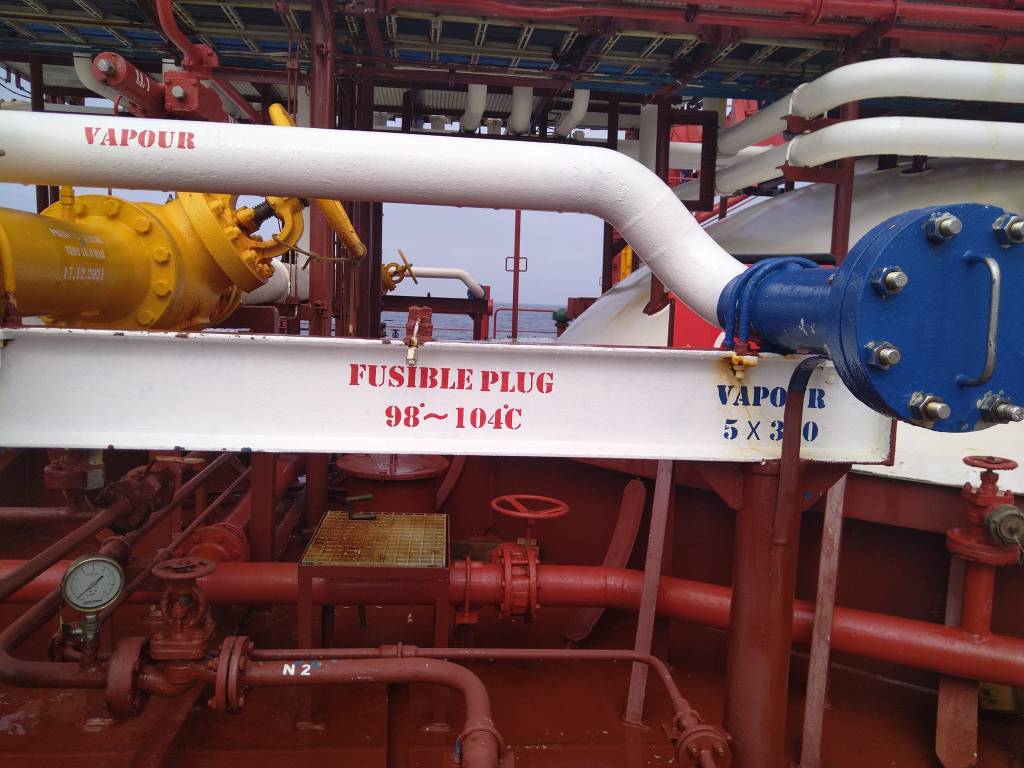
Main PLC က Valve Remote Control System နဲ့ ချိတ်ထားပြီး Emergency Stop Signal ရတဲ့အခါ Emergency Shutdown Valve တွေကို ပိတ်ပစ်ပါတယ်။ ပြီးတော့ Cargo Compressor တွေ၊ Cargo Pump တွေနဲ့ Inert Gas Generator ကိုပါ Trip Signal လှမ်းပေးပါတယ်။
ခုနက ပြောခဲ့သလို MTL 901 Ship-Shore Linked ESD က Main PLC ကတဆင့် Emergency Stop signal ကို ရယူပြီး Ship-Shore Linked Wire ကနေ Shore ဖက်ကို signal လှမ်းပေးမှာပါ။ ဒီလိုနဲ့ shore ဖက်က သက်ဆိုင်ရာ Machinery နဲ့ Valves တွေကို သင်္ဘောဖက်က နေ အချိန်မဆိုင်းဘဲ လှမ်းပိတ်နိုင်တာပါ။ အလားတူ shore ဖက်ကလည်း သင်္ဘောက Machinery နဲ့ Valves တွေကို လှမ်းပိတ်နိုင်ပါတယ်။
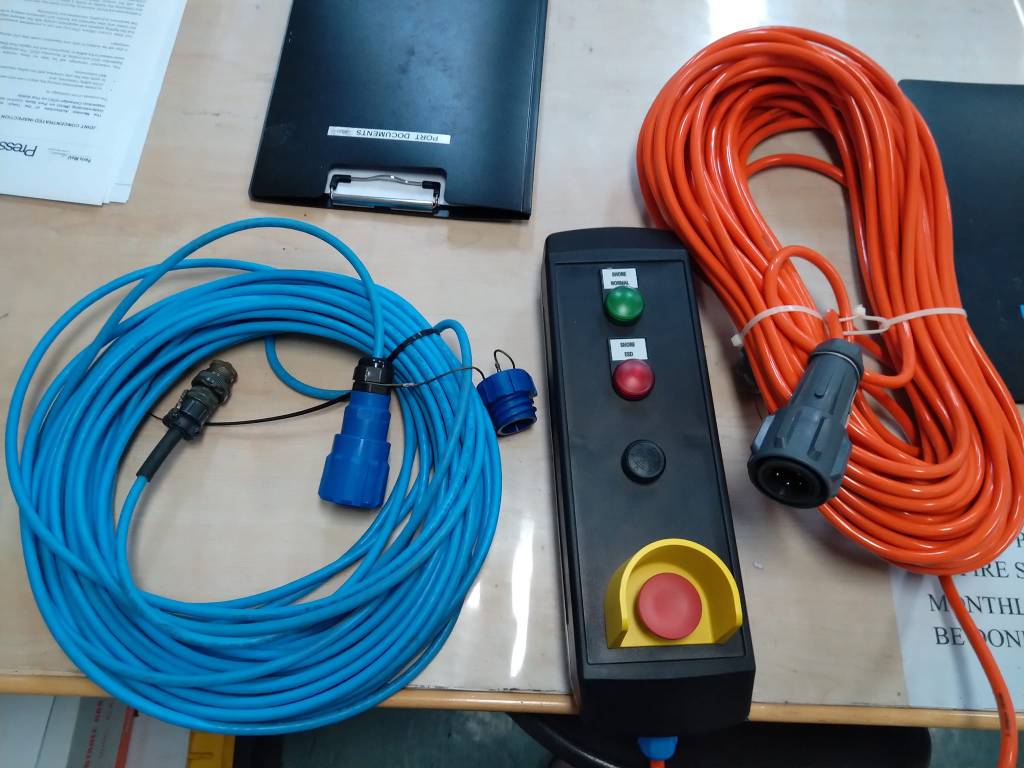
ဒါပေမယ့် ခုနက ဆိုခဲ့သလို ကျွန်တော့် သင်္ဘာက ESD linked connection က Terminal ဖက်က ဟာနဲ့ မတူဘူးဆိုရင် Ship-Shore Linked ESD ကို အသုံးချလို့မရတော့ပါဘူး။ အဲ့လိုအခြေအ နေမှာ သင်္ဘောနဲ့ terminal အပြန်အလှန် ESD extension pendant တွေပဲ ပေးနိုင်ပါတယ်။ SIGTTO က Pendant သုံးတာ အားမပေးပေမယ့် အပေါ်မှာ ပြောခဲ့သလို တိတိကျကျ Standardization မရှိတာ ကြောင့် Pendant extension ပဲ အသုံးချရပါတယ်။ အဲ့အချိန်မှာ Ship-Shore Linked ESD ရဲ့ Function ကို အပြည့်အဝအသုံး မချနိုင် တော့ တစ်ဖက်နဲ့တစ်ဖက် Emergency stop signal ပေးချင်ရင် Pendant ရှိရာ လူကိုယ်တိုင် သွားပြီး ခလုပ်နှိပ်မှ ရမှာပါ။
ခု ကျွန်တော် ပြောတာတွေက ကျွန်တော့်ဆီမှာ ရှိတဲ့ ESD system နဲ့ ကျွန်တော် ဖတ်မိသမျှ ကို အခြေခံ ထားတာမို့ လိုအပ်တာ ၊ လွဲမှားနေတာ ရှိနိုင်ပါတယ်။ လိုအပ်တာတွေ ၊ ဖြည့်စွက်စရာတွေရှိရင် ထောက်ပြပေးကြပါခင်မျ။
IGC Code – The International Code of the Construction and Equipment of Ships Carrying Liquefied Gases in Bulk
OCIMF – The Oil Companies International Marine Forum
CDI – Chemical Distribution Institute
SIGTTO -Society of International Gas Tanker and Terminal Operators
ကိုးကား
1. SIGTTO. 2021 .ESD Systems – Recommendations for Emergency Shutdown and Related Safety Systems, Second Edition
2. OCIMF & CDI. 2017. Linked Ship/Shore Emergency Shutdown Systems for Oil and Chemical Transfers
3. Rod Maclennan.2018.Safe Shutdown for Tankers. Northstandard Articles.
 ETO Insights
Leave a comment