သင်္ဘော တွေမှာ မတူညီတဲ့ နေရာဒေသ အသီးသီးကနေ သယ်လာတဲ့ Ballast water တွေကြောင့် ဇီဝမျိုးစိတ်တွေပျက်စီးမှာ၊ ပြောင်းလဲမှာ၊ မျိုးစိတ်အသစ်တွေရောက်ရှိလာမှာ မ ဖြစ်စေဖို့အတွက် ရေ ကို သန့်စင်ပိုးသတ်စတာတွေ လုပ်ပြီးမှ စွန့်ပစ်ဖို့ Ballast Water Treatment System ကို တပ်ဆင်ထားကြပါတယ်။
Maker ပေါ် မူတည်ပြီး Treatment method အမျိုးမျိုး ရှိကြပါတယ်။
System Operation ကို မသိရင် Troubleshootig လုပ်ရတဲ့အခါ ETO အတွက် အခက်အခဲ ဖြစ်တတ်တာမို့ ကျွန်တော် မှတ်စု ထုတ်ထားတာကို မျှဝေပါရစေ။
ကျွန်တော့် BWTS က Techcross ရဲ့ Electro-Cleen System (ECS Ballast Water Treatment System) ပါ။
သူ့ ရဲ့ Treatment method က Electrolysis လုပ်ပြီး ထွက်လာတဲ့ Hypochlorite acid, Oxidation reduction potentialနဲ့ Ballasting မှာ Treatment လုပ်ပြီး Deballasting မှာ Sodium thiosulphate နဲ့ Neutralization လုပ်တာပါ။
ဒီ system မှာ အတိုကောက် အခေါ်အဝေါ်တွေက စစချင်း ကျွန်တော့်အတွက် မှတ်ရခက်ပါတယ်။ အစပိုင်းတုန်းက Error တက်လို့ ဖြေရှင်းဖို့ Manual book ကောက်လှန်တဲ့အခါ အရင်ဆုံး အတိုကောက်တွေကို အရင် အဓိပ္ပာယ်ဖော်နေရပါတယ်။
ကျွန်တော့် သင်္ဘောက Chemical Tanker ဖြစ်ပြီး ဒီစနစ်ကလည်း Main Deck ပေါ်မှာ တပ်ဆင်ထားတာမို့ သုံးထားတဲ့ Electrical Equipment တွေဟာ Ex-Proof တွေ ဖြစ်ပါတယ်။
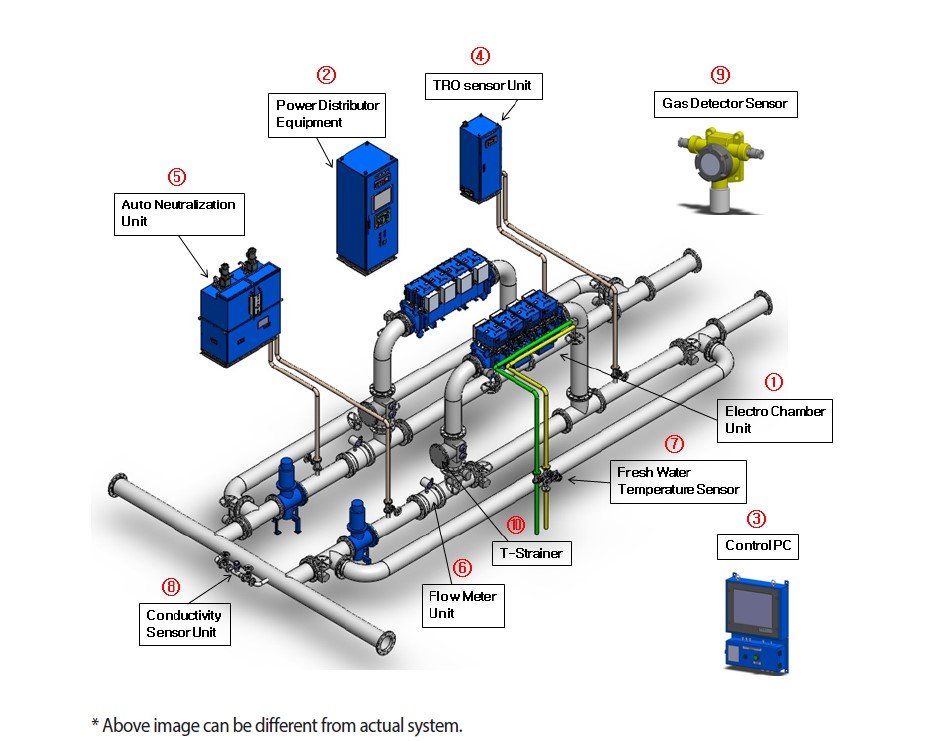
1) Electro Chamber Unit (Ex-ECU)
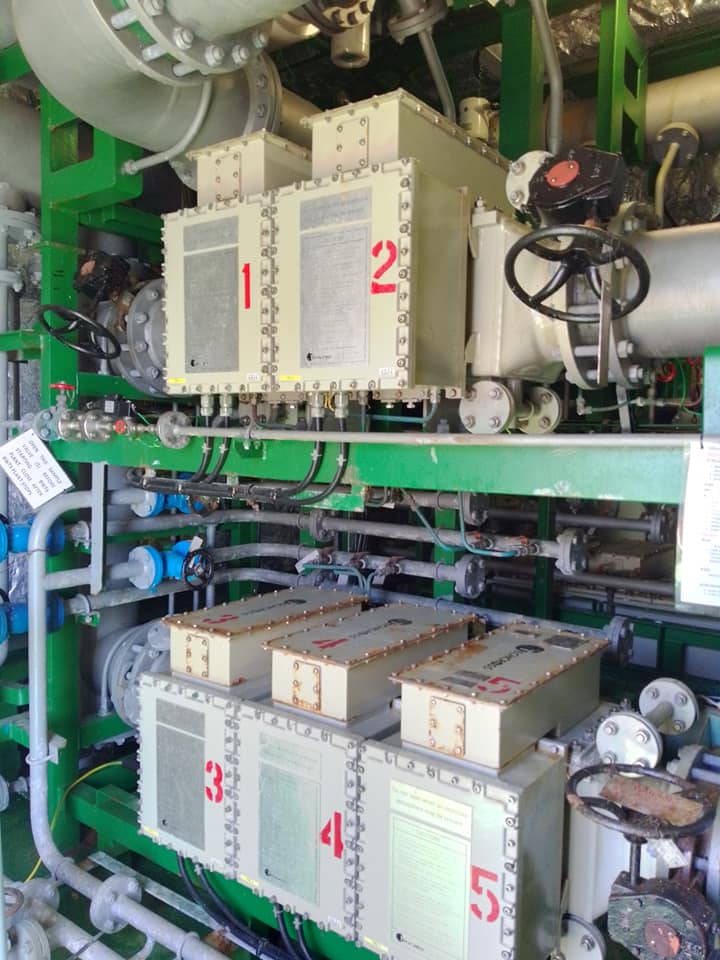
ECU မှာ Power Rectifier Unit (PRU) နဲ့ Electro Chamber Module (ECM) ဆိုပြီး နှစ်ပိုင်းပါဝင်ပါတယ်။
Ballast water တွေကို Electro Chamber Module ထဲမှာelectrolysis လုပ်ပြီး ထွက်လာတဲ့ Hypochlorite acid နဲ့ ရေထဲမှာ ပါလာတဲ့ marine organism တွေကို သတ်ပေးတာပါ။
Chamber Module တွေအတွက် လိုအပ်တဲ့ Power ကို Power Rectifier Unit (PRU) က ပေးပါတယ်။
PRU က သူ့နာမည်အတိုင်းပဲ Distribution Unit က AC ကို ECU က လိုအပ်တဲ့ DC ကို ပြောင်းပေးတာပါ။
အပူထွက်တဲ့ ဟာတွေမို့ သူ့အတွက် လိုအပ်တဲ့ Cooling ကို Fresh water နဲ့ပေးပါတယ်။ အဲ့ Fresh water ကို Sea Water နဲ့ ပြန် အအေးခံဖို့ Plate Type Heat Exchanger တွေလည်း တပ်ဆင်ထားပါတယ်။ Cooling Fresh water temperature ကိုစောင့်ကြည့်ဖို့ sensor တစ်ခုလည်း တပ်ဆင်ထားပါတယ်။
Conductivity Sensor Unit (CSU) ကနေ Ballast water ရဲ့ Conductivity ကို တိုင်းတာပြီး ECM ရဲ့ Current ပမာဏကို ထိန်းညှိပေးပါတယ်။
System operate လုပ်တဲ့အခါ Control PC မှာ ECM တွေရဲ့ Current consumption ကို ပြထားပြီး current အနည်းအများ alarm တွေလည်း သတ်မှတ်ထားပါတယ်။

2) Power Distribution Equipment (PDE)
သူက BWTS စနစ်တစ်ခုလုံးရဲ့ လိုအပ်တဲ့ power တွေကို ဖြန့်ဝေပေးတဲ့ Panel ပါ။ MSB ကနေ 440V ယူပြီး သက်ဆိုင်ရာ Equipment တွေအတွက် လိုအပ်တဲ့ Power rating ကို ဖြန့်ဝေပေးပါတယ်။ Control PC နဲ့ တခြား Equipment တွေအတွက် Communication signals တွေကိုလည်း ချိတ်ဆက် ဖြန့်ဝေပေးပါတယ်။

PDE-Power Distribution Equipment
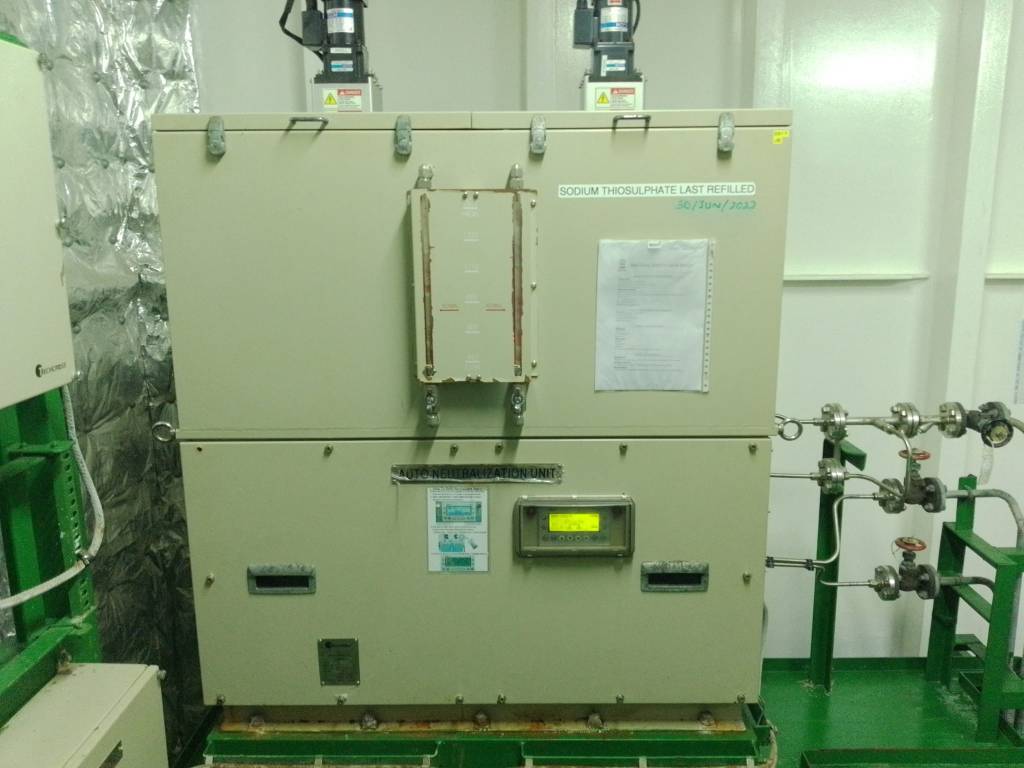
4) Auto Neutralization Unit (ANU)
Deballasting operation မှာ Ballast water ရဲ့ Residual oxidants တွေကို ဖယ်ရှားဖို့ Neutralizing agent တွေကို ထည့်ပေးတဲ့ Unit ပါ။ TRO sensor က ရတဲ့ Data ကိုမူတည်ပြီး Neutralization agent ပမာဏကို ထိန်းညှိပါတယ်။
ကန်နှစ်ကန် ပါဝင်ပြီး ရေ Level နည်းရင် auto ရေဖြည့်တဲ့ စနစ်ကို တပ်ဆင်ထားပါတယ်။ ကန် တစ်ခုဆီကို Float sensor တစ်ခု စီ တပ်ဆင်ထားပြီး ရေ Level နည်းလာရင် water inlet solenoid valve တွေကို ဖွင့်ပေးတာပါ။ သီးခြား ရေ ဖြည့်တဲ့ pump မပါဘဲ Fresh water on deck line ကနေပဲ ယူထားတာပါ။
အဲ့ ကန်ထဲကို Sodium Thiosulphate သတ်မှတ်ပမာဏအတိုင်း ထည့်ပေးရပါတယ်။ ထည့်ပေးပြီး မွှေဖို့အတွက် Agitator motor တစ်လုံးစီလည်း တပ်ဆင်ထားပါတယ်။
ကန်ထဲ ကနေ Neutralizing solution တွေကို Metering dosing pump က တဆင့် Ballast line ထဲ ထည့်ပေးတာပါ။
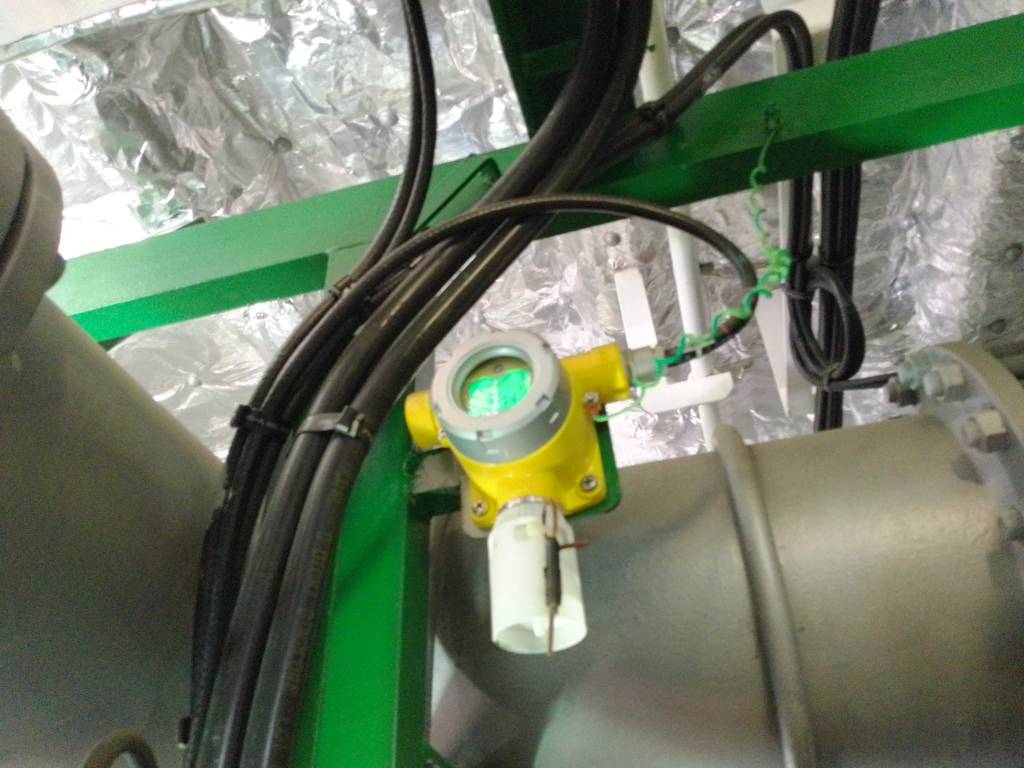
5) Total Residual Oxidants Sensor (TRO sensor)
Ballasting မှာ ECM က electrolysis လုပ်ပြီး ရလာတဲ့ Ballast water၊ Deballasting မှာ ANU က Neutralization လုပ်ပြီး ရလာတဲ့ Ballast water တွေက Sample ကို ယူပြီး Residual Chlorine ကို တိုင်းပေးတာပါ။
Residual chlorine တွေ သတ်မှတ် PPM ပမာဏ ထက် နည်းနေတာ များနေတာဆိုတာ စောင့်ကြည့်ပါတယ်။
Sensor Control Unit က Safe Area ထဲမှာ ရှိပြီးတော့ သူက Sensor က တိုင်းလို့ရတဲ့ Data ကိုယူပြီး Control PC ကို ပို့ပေးပါတယ်။
Ex-CLX (Ex-proof Chlorine Monitor) sensor unit က Hazardous area ထဲမှာရှိတာပါ။
Ex-CLX sensor အတွက် sample water ကို Ballast Pipe Line က နေ Pneumatic Diaphragm Pumpက ပို့ပေးပါတယ်။ သတ်မှတ် Flow rate ရှိနေဖို့အတွက် Air Pressure အနည်းအများကို ချိန်ပေးထားဖို့ လိုပါတယ်။ ဒီက စစနစ်မှာတော့ 2.5 bar to 3 bar ထိ ရှိနေဖို့ လိုတယ်လို့ ဆိုပါတယ်။
အဲ့ Sample water တွေ အဝင်မှာ Solenoid valve တစ်ခု ခံထားပါတယ်။ Sample water တွေဟာ အဲ့ကတဆင့် Sensor ရဲ့ ဖန်ပြွန်လေး (cuvette) ထဲ ဝင်တာပါ။ Chlorine ပါဝင်မှုကို တိုင်းဖို့အတွက် လိုအပ်တဲ့ Regent ဖြစ်တဲ့ Buffer Solution နဲ့ DPD Solution တွေကိုလည်း sensor ရဲ့ ဖန်ပြွန်ထဲ စုပ်ယူပါတယ်။
ဖန်ပြွန်ရဲ့ တစ်ဖက်မှာ Green LED နဲ့ Red LED ရှိပြီး တစ်ဖက်မှာ Detector ရှိပါတယ်။ အနီရောင် Sample water နဲ့ Flow ကို တိုင်းတာဖို့အတွက် ဖြစ်ပါတယ်။ အစိမ်းက PPM တိုင်းတာပါ။ ဖန်ပြွန်ရဲ့ အခြေအနေ ကြည့်ဖို့နဲ့ Abnormal condition မှာ Flashing လုပ်ပြဖို့အတွက် White LED တစ်လုံး ထပ်ပါ ပါတယ်။ တခါတလေ ဖန်ပြွန်ညစ်ပတ်နေရင် Sensor error တက် တတ်ပြီး အလွတ်တကူပဲ ဖြုတ်ဆေးလို့ရပါတယ်။ Regent တွေ ဖန်ပြွန်ထဲ ရောက်မရောက် သိဖို့အတွက်လည်း Manual Purging လုပ်ပြီး စစ်ဆေးနိုင်ပါတယ်။ Sample water တွေ မရောက်ရင်လည်း Error တက် တတ်ပြီး အများအားဖြင့် Sample water လိုင်းမှာ Strainer တွေပိတ်တာ၊ Diaphragm pump မလည်တာ ဖြစ်တတ်ပါတယ်။
ဒီ Sensor cabinet မှာ အပေါ်မှာ ပြောခဲ့သလို Hazardous area ထဲ တည်ရှိတာမို့ Cabinet enclosure တစ်ခုလုံးကို အလုံပိတ်ထားပြီး Clean dry air နဲ့ Positive pressure ရအောင် လုပ်ထားပါတယ်။ တကယ်လို့ Cabinet လေမလုံရင်၊ အဖုံးပွင့်နေရင် Power controller က Sensor ရဲ့ Power ကို ဖြတ်ပစ်ပါတယ်။ Maintenance လုပ်ဖို့အတွက်ဆိုရင်တော့ By pass switch ကို ဖွင့်ပြီး Power မပိတ်အောင် လုပ်လို့ရပါတယ်။
တခါတလေ တံခါး Gasket မလုံရင်၊ ရေပိုက် လေပိုက်အဝင်တွေ မလုံရင် Cabinet အတွင်း လုံလောက်တဲ့ Pressure မရှိတဲ့အခါ sensor power ပြတ်တောက်တတ်ပါတယ်။


6) Air Lock Alarm
ဒီဟာက BWTS က ပါတာ မဟုတ်ပါဘူး။ ကျွန်တော့် သင်္ဘော မှာ BWTS က Hazardous area မှာ ရှိနေတဲ့အတွက် Protection အနေနဲ့ တပ်ဆင်ထားတာပါ။ BWTS က ဒီမှာ Equipment Room နဲ့ Control Room ဆိုပြီး နှစ်ခုရှိပါတယ်။ ECU တွေ TRO sensor တွေ Fresh water pump၊ Sea water pump တွေက Equipment room မှာ ရှိပြီး Ex-Proof တွေပါ။ ကျန်တဲ့ Control PC, PDE နဲ့ တခြား Swtichboard တွေ Equipmentတွေက Control Room ထဲမှာပါ။သူက Control Room မှာ ရှိတဲ့ Ex-proof မဟုတ်တဲ့ Electrical Equipmentတွေကို ကာကွယ်ဖို့အတွက်ပါ။

Air Lock ဆိုတာက Hazardous space နဲ့ Non Hazardous space ကြား Buffer Space တစ်ခုပါ။ အဲ့ Buffer space အတွက် Supply Fan ကို မောင်းပေးထားရပါတယ်။ တံခါးနှစ်ခုရှိပြီး နှစ်ခုလုံး တပြိုင်တည်း မဖွင့်ရပါဘူး။
တကယ်လို့ Hazardous area / Main deckဖက်က တံခါး ဖွင့်နေရင် ဒီဖက် Non Hazardous/ Control Room ဖက်မှာ မီးလင်းအချက်ပြပြီး၊ အလားတူ Non Hazardous က ပွင့်နေရင်လည်း တဖက်မှာ မီးအချက်ပြမှာ ဖြစ်ပါတယ်။
Air Lock System က အဲ့ Control Room မှာ Positive Pressure မရှိရင်၊ တံခါးနှစ်ချပ်လုံး ဖွင့်မိရင်၊ Air Lock supply fan မလည်ရင် MSB က BWTS ရဲ့ Main Breaker ကို Trip ဖြစ်စေပြီး System တစ်ခုလုံးကို Shunt Down ဖြစ်စေပါတယ်။
Control Room ထဲမှာ Positive Pressure ရှိမရှိ သိဖို့ Differential Pressure Switch တပ်ထားပါတယ်။ Sensor ရဲ့ sensing pipe တစ်ခုက အခန်းအပြင် atmospheric pressure ကို ထုတ်ထားပြီး နောက်တစ်ခု Control room ထဲ ထုတ်ထားပါတယ်။ ကျွန်တော့်ဆီမှာ အရင်က အဲ့ Pipe နှစ်ခု ကို နေရာလွဲတပ်ထားလို့ Different air pressure ဆိုပြီး System ခနခန trip ဖြစ်ပါတယ်။ သူက Pressure နှစ်ခု ညီမညီ တိုင်းတယ်ဆိုတာထက် တစ်ဖက်က အမြဲများနေလား ဆိုတာ တိုင်းတာဖြစ်ပါတယ်။
အဲ့ Pressure Switch လေဝင်ပေါက် နှစ်ခုမှာ လေမှုတ်သွင်းကြည့်လို့ Activate ဖြစ်စေတဲ့ ဖက်က Positive Pressureရှိစေချင်တဲ့ ဖက်မှာ ထားရမှာ ဖြစ်ပြီး လေစုပ်လို့ Activate ဖြစ်စေတဲ့ ဖက်ကို outside atmosphereဖက် ထားပါတယ်။
ဒီ Maker က error တစ်ခုချင်းဆီအတွက် ဖြေရှင်းပုံ ဖြေရှင်းနည်းတွေကို သူ့စာအုပ်မှာ ပြည့်စုံသလောက် ပြထားပါတယ်။ Training Video program တစ်ခုကိုလည်း အတူစီးခဲ့ဖူးတဲ့ CE တစ်ယောက်က ပေးထားဖူးပါတယ်။ ကျွန်တော့် လက်ရှိ စီးနေတဲ့ system နဲ့ Version မတူပေမယ့် Troubleshooting လုပ်တဲ့အခါ အတော်အသုံးဝင်ပါတယ်။ Google Driveက တဆင့် share ပေးချင်ပေမယ့် onboard wifiနဲ့ အဆင်မပြေသေးပါဘူး။
BWTS နဲ့ ခုမှ စစီးဖူး တဲ့ EO တစ်ယောက်ရဲ့ မှတ်စုမို့ တခြားအတွေ့အကြုံတွေ လိုအပ်ချက်တွေ ထောက်ပြပေးဖို့ မေတ္တာရပ်ခံလိုက်ပါတယ်။


 ETO Insights
Leave a comment