သင်္ဘောစတက်စက CE က Electrical cadet ဖြစ်တဲ့ ကျွန်တော့်ကို တစ်ရက် သင်္ဘောက နာရီတွေ ဘယ်လို ပြိုင်တူ ရွေ့နေတာလဲ မေးဖူးပါတယ်။ ခု သင်္ဘောမှာ 24VDC Low insulation ကျလို့ Ship’s clock နဲ့ပတ်သက်ပြီး လုပ်ရတာတွေလေးတွေရှိလာတော့ အဲ့တုန်းက ကောင်းကောင်း မဖြေနိုင်ခဲ့တာ သတိရမိပါတယ်။ သင်္ဘောက နာရီတွေ အကြောင်း မပြောခင် ကျွန်တော်တို့ မြင်တွေ့နေကျ Quartz နာရီတွေအကြောင်း အကြမ်းဖျင်း ပြောပါရစေ။
နာရီတွေ စည်းချက်မှန်မှန်ရွေ့ဖို့ အဓိက အရေးပါတာတော့ quartz crystal ပါ။ ပုံမှန်အားဖြင့် Microchip circuit လေးကို Battery ပါဝါပေးထားပြီး အဲ့ဒီ Chip က quartz crystal ကို Frequency တစ်ခု နဲ့ တုန်ခါစေပါတယ်။
Microchip က အဲ့ တုန်ခါမှုကို ပြန်ယူပြီး တစ်စက္ကန့်ကို pulse တစ်ခုနှုန်းနဲ့ electric pulse တွေ ပြန်ထုတ်ပေးပါတယ်။ အဲ့ pulse ကနေ electric stepping motor အသေးစားလေးကို မောင်းပေးပြီး အဲ့ကတဆင့် နာရီရဲ့ second လက်တံကို ရွေ့စေပါတယ်။ သူကနေ Gear wheels လေးတွေနဲ့ မိနစ်လက်တံ ၊ နာရီလက်တံတို့ကို ရွေ့ပေးပါတယ်။
သင်္ဘောက နာရီ စနစ်မှာတော့ Master နဲ့ Slaves ဆိုပြီး နှစ်မျိုးခွဲထားပါတယ်။
Master နာရီကို အမြဲ UTC စံတော်ချိန်မှာထားထား ပြီးတော့ Slave နာရီကို သင်္ဘောရောက်ရှိနေတဲ့ ဒေသစံတော်ချိန်မှာ ထားပါတယ်။Master နာရီမှာရော Slave နာရီမှာရော Oscillation crystal circuit တွေ ကိုယ်စီကိုယ်စီ မပါကြဘဲ Main Oscillation PCB တစ်ခုတည်းက electrical pulse တွေကိုယူပြီး နာရီလက်တံတွေရွေ့ပေးတာပါ။Master Clock ရဲ့ တည်ဆောက်ပုံက Oscillation circuit လေး မပါ တာက လွှဲလို့ ကျန်တာက အိမ်သုံးနာရီနဲ့ တည်ဆောက်ပုံတူပါတယ်။ Main oscillation PCB ကနေ Electrical pulse လေးတွေ ယူပြီး သူရဲ့ နာရီ မိနစ် စက္ကန့် လက်တံတွေကို ရွေ့ပေးပါတယ်။
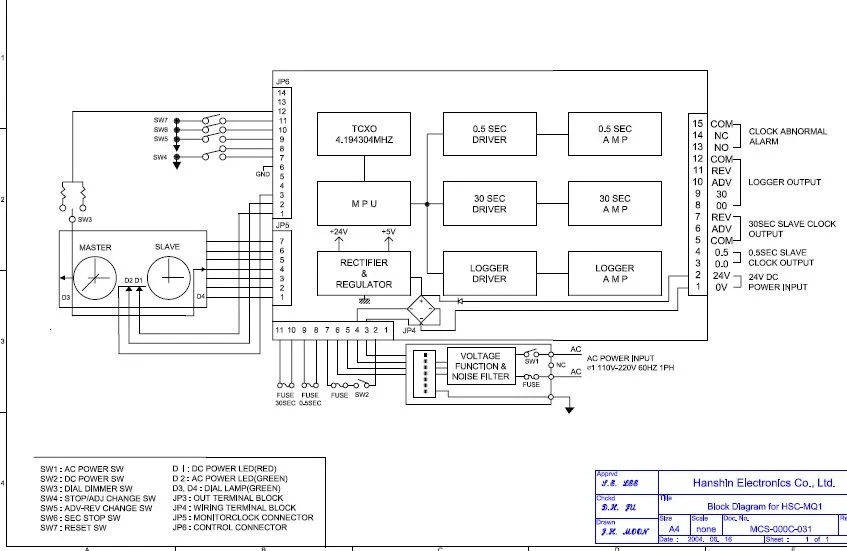
Slave နာရီတွေအတွက် Main Oscillation PCB က Advance, Retard နဲ့ common ဆိုပြီး Contact သုံးခုထွက်ပေးထားပါတယ်။ အဲ့ကနေ တဆင့် နာရီတွေ ကို တစ်လုံးပြီးတစ်လုံး ချိတ်သွားပြီး သင်္ဘောက နာရီတွေအားလုံးကို အတူတူ ရွေ့စေတာပါ။ အဲ့ Contact သုံးခုက ရှင်းရှင်းပြောရရင် Relay contact လိုပေါ့။ နာရီကို ရှေ့ကို ရွေ့စေချင်ရင် Advance and Common ကနေ Power ပေးတယ်။ နောက်ဆုတ်စေချင်ရင် Retard နဲ့ Common က နေ power ပေးပါတယ်။
နာရီ အမျိုးအစားပေါ်မူတည်လို့ စက္ကန့်လက်တံပါတဲ့ နာရီဆို 0.5 second ဆို တစ်ကြိမ်နှုန်း နဲ့ Electrical pulse ပေးကြပြီး စက္ကန့်လက်တံမပါရင် 30 seconds ကို တစ်ကြိမ်နှုန်းပေးတာ တွေ့ရပါတယ်။ ဒါကြောင့် စက္ကန့်လက်တံပါတဲ့ နာရီ (အများအားဖြင့် CCR, ECR, GALLEY) တွေက electrical pulse အတွက် PCB က သပ်သပ် ကြိုးတစ်စုံ အပိုပေးထားပြီး စက္ကန့်လက်တံမပါတာတွေအတွက် Advance နဲ့ Common ကနေပဲ Electrical pulse ကို စက္ကန့်သုံးဆယ် တစ်ကြိမ် ပေးပါတယ်။
Advance နဲ့ Retard လုပ်နိုင်ဖို့အတွက် Slave နာရီတွေမှာ Coil ထုပ် နှစ်ခု ပါ ပါတယ်။ Forward direction နဲ့ Reverse direction သဘောတရားပါပဲ။ Coil တစ်ခုက Advance နဲ့ Common ကို ချိတ်ထားပြီး နာရီ ကို ရှေ့တိုးပေးတာပါ။ နောက် Coil က Retard နဲ့ Common ကို ချိတ်ထားပြီး နာရီကို နောက်ဆုတ်ပေးတာပါ။ သင်္ဘောစံတော်ချိန် ရှေ့တိုးချင်တဲ့အခါ Advance နဲ့ Common ကနေ Electrical pulse တွေကို ဆက်တိုက်ပေးပြီး Slave နာရီတွေကို အတူတူ တပြိုင်တည်း ရှေ့တိုးစေသလို နောက်ဆုတ်မယ်ဆိုလည်း Retard နဲ့ Common ကနေ power ပေးပြီး နောက်ဆုတ်စေတာပါ။
Main Oscillator PCB ကနေ Engine Telegraph Order Printer အတွက် 30 sec Time signal pulse တစ်ခုလည်း ထပ်ထုတ်ပေးထားပါတယ်။

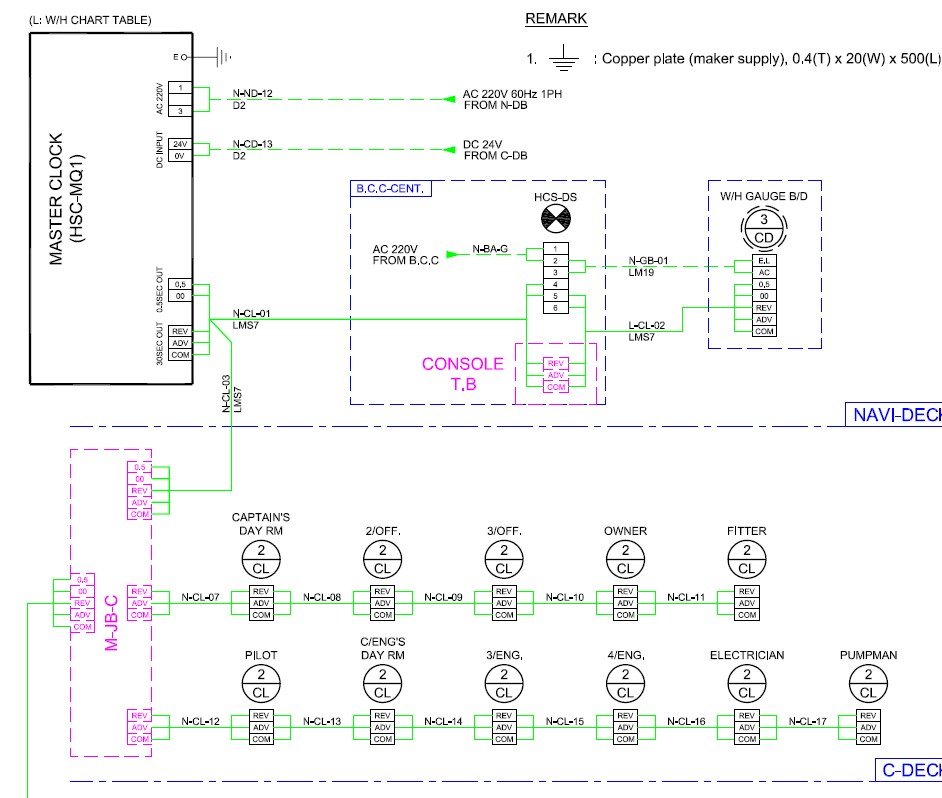
Ship’s clock system နဲ့ ကြုံခဲ့ဖူးတဲ့ ပြဿနာများ
—————————————————–
သင်္ဘောတစ်စီးမှာ ကျွန်တော် စရောက်တော့ သင်္ဘောက Master နာရီကလွဲလို့ ကျန် နာရီတွေ ပုံမှန် အလုပ်မလုပ်ပါဘူး။ Master တစ်လုံးပဲ ပုံမှန် အလုပ်လုပ်ပြီး ကျန်တဲ့နာရီတွေက သွားလိုက် ရပ်လိုက် ဖြစ်နေတယ်လို့ ရှေ့လူက မှာသွားပါတယ်။ သူက Oscillation PCB လဲဖို့ အသစ် order တင်ပေးသွားပါတယ်။
PCB အသစ်ရောက်လို့ ကျွန်တော် လဲ ကြည့်တော့ အခြေအနေက ထူးမသွားပါဘူး ။ Master clock က ပုံမှန် အလုပ်လုပ်နေတယ် ဆိုတော့ Oscillation PCB ကြောင့် မဟုတ်မှန်း စဉ်းစားမိပါတယ်။ သင်္ဘောတစ်စီးလုံးက နာရီတွေ အကုန် isolate လုပ်ထားပြီး master နဲ့ ကပ်လျက် slave တစ်လုံးပဲ ချိတ်ကြည့်တော့လည်း မထူးခြားလာပါဘူး။ နောက်ဆုံး slave နာရီတွေကို ရပ်နိုင်တာက Advance/stop/Retard selector switch လေးပဲ ရှိတယ်ဆိုတော့ အဲ့ကောင်လေးကို ကြိုးဖြုတ်ပြီး ထားကြည့်တော့ နာရီတွေအားလုံး မရပ်တော့ဘဲ စည်းချက်ကျကျ ပြန်သွားတာ တွေ့ရပါတယ်။
ကျွန်တော် စာချုပ်ပြည့်လို့ ဆင်းခါနီး တချို့ cabin တွေက နာရီက လုံးဝ မရွေ့တာ ထပ်တွေ့ရပါတယ်။ pulse လာမလာ စစ်ကြည့်တော့လဲ လာတာတွေ့ရတယ်။ တခြားကောင်းနေတဲ့ နာရီ အစားထိုးကြည့်တော့ လည်း အဆင်ပြေတယ်။ အဲဒါနဲ့ နာရီကို ဖွင့်ကြည့်တော့ အထဲက plate ပြားတွေ သံချေးကိုက်နေတာတွေ့ရပါတယ်။ ဖြုတ်ဆေးပြန်တပ်ကြည့်တော့ တချို့အလုံးတွေက ပြန်ကောင်း သွားပေမယ့် တချို့အလုံးတွေက အဖြုတ်လွန်လို့ gear wheels လေးတွေ ပျောက်ကုန် လို့ အဆင်မပြေခဲ့ပါဘူး။ နာရီ သုံးလုံးလောက် အသစ်မှာလိုက်ရပါတယ်။
နောက်တစ်ခု ကြုံဖူးတာက 24 VDC low insulation ပါ။ တစ်ရက် ညနေခင်း 24VDC low insulation လာလို့ စစ်နေတုန်း သင်္ဘောက နာရီတွေပါ ရပ်နေတာ တွေ့မိပါတယ်။ Distribution panel ကနေ Ship’s clock system ဆီ သွားတဲ့ Fuse တွေ ဖြုတ်ကြည့်တော့ insulation ပြန်တက်လာတာတွေ့ရပါတယ်။
ကျွန်တော့် ကြုံခဲ့ရသမျှ Low insulation ကျတဲ့နေရာရှာရာမှာ သင်္ဘောရဲ့ စက်တွေ၊ လူတွေရဲ့ အကျင့်ကို ပါ သိထားရင် ပိုရှာရလွယ်ပါတယ်။ ဥပမာ 220 V insulation ကျရင် ဘယ်အချိန်ကျတာလဲ၊ နေ့ဖက်လား၊ ညဖက်လား၊ စက်ခန်းထဲမှာ Extension သုံးပြီး ဖြုတ်တာ ဆေးတာ လုပ်နေလား၊ တကယ်လို့ Accommodation ဖက် က ကျတာ ဆိုရင် ဒီအချိန် ဘယ်သူတွေ အခန်းထဲရှိလဲ၊ ပြီးခဲ့တဲ့ ဆိပ်ကမ်းက ဘယ်သူတွေ ဖုန်းအားသွင်းကြိုးadaptor တွေ Electronic device တွေ ဝယ်ကြလဲ ဆိုတာ ပါ ခန့်မှန်းသိထားရင် ရှာရပိုလွယ်ပါတယ်။
အခုလည်း 24V low insulation က နာရီ တွေက ကျတာသေချာတော့ ကျွန်တော် ထင် နေတဲ့ Cabin ကို ဝင်စစ်ကြည့်တော့ နာရီက ကြိုးတွေကို ကတ်ကြေးနဲ့ ဖြတ်ထားတာ တန်းတွေ့ရပါတယ်။ ဖြတ်ထားတဲ့ ကြိုးစ က Ground ကျနေတာပါ။ ဖြုတ်တဲ့ သူကတော့ သင်္ဘောက ဆင်းသွားတာ မကြာသေးပါဘူး။
ရိုးရိုးရှင်းရှင်း Design လေးဆိုပေမယ့် သူအလုပ်မလုပ်ရင် သင်္ဘောက လူတွေအားလုံး Timing တွေလွဲ အချိန်တွေမှားနိုင်တာမို့ ကျွန်တော် ကြုံဖူးသမျှ တင်ပြလိုက်ပါတယ်။ Maker ပေါ်မူတည်ပြီး ကွဲပြားမှု အနည်းငယ်လည်း ရှိကောင်း ရှိနိုင်သလို ကျွန်တော့် လိုအပ်ချက်ကြောင့် ထောက်ပြ စရာ ရှိလာရင်လည်း ထောက်ပြလမ်းညွှန်ပေးဖို့ ထုံးစံအတိုင်း မေတ္တာရပ်ခံပါရစေ။
(July 19,2022)

 ETO Insights
Leave a reply to Yewunna Htoon Cancel reply